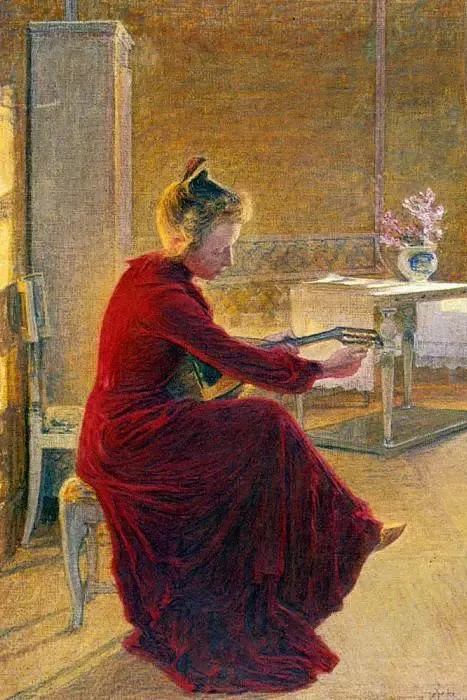
Deeply personal yet persistently elusive, the 60 poems in Thought-Dreams form a coherent whole out of an introspective sensibility coupled with conscientious attention to form. True to its title, the collection moves with the associative logic of waking dreams, precise in its imagery yet open at the boundaries. Structurally, the poet draws from a wide range of traditional forms, treating each as a tool of expression rather than a means in its own right. From ballads to sonnets and odes to epigrams, the forms are treated with equal measures of respect and subversion: at times shepherded into their consistent musical structure, at other times deliberately broken to create emotional impact. As a counterpoint to the formal variety, the quiet and consistent emotional current of the author speaks as eloquently in what it withholds as in what it reveals.